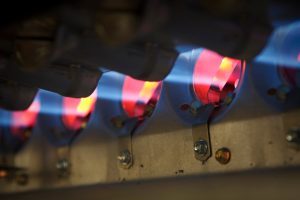
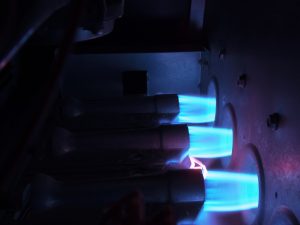
 This is something that will cause a sudden pit of panic in your stomach: it’s a cold winter day and when you turn the furnace on … nothing happens. The burners won’t ignite and you can’t see the blue color of the flames in the cabinet. That means no heat for the house.
There’s no reason to panic, however, since you can always get the furnace repair in Burlington, VT you need with a call to our professionals. Although there are a few simple troubleshooting steps you can try when a furnace isn’t responding, don’t attempt to make any actual repairs yourself. Only trained professionals can safely repair a gas furnace.
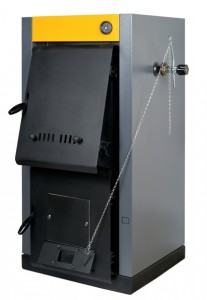 The heat a boiler sends into a house, whether from radiators, baseboard heaters, or in-floor elements, feels wonderful during cold winter days. But what if one morning you wake up to discover that the house isn’t warming up as well as it should? You check the thermostat to make sure the settings are right, and then you might try raising the thermostat setting to make up the difference. But you shouldn’t have to do this: the boiler is supposed to meet the standard household demand for comfort, and pushing up the thermostat to attempt to compensate may lead to more trouble.
  If we had to select the best month for scheduling
  If you have a furnace in your house that’s more than 15 or even 20 years old, any replacement system will have a higher energy efficiency rating. This because standard for gas furnaces have changed dramatically over two decades, and even the new mid-efficiency models have a higher standard than the mid-efficiency models at the start of the 21st century.
 The winter weather isn’t done with us, but the second half of the season is a good time to consider how well your home’s furnace has held up. This may be the last winter it can perform up to expectations. Or it may already have fallen behind this season. If you’ve spent more on
  When a furnace first turns on for the winter season, it emits a burning odor into the air from the vents. This is normal. It’s odor of the dust along the heat exchanger or heating elements burning off as the unit heats up. The smell will subside after a short time and the furnace will get into the regular groove of warming the house.
 What sort of home appliance do you think is most likely to corrode? You’ll probably think of the water heater, or shower heads and other water-using fixtures. You probably don’t think about your gas furnace rusting. It doesn’t use water to warm your house, after all. It applies heat to the air through a metal heat exchanger that contains hot combustion gas.
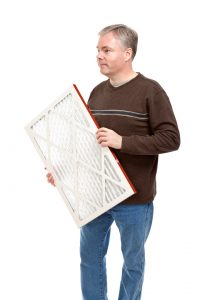 When heating season starts (a.k.a. “winter”), your home’s furnace will get down to steady work. That means you’ll have the semi-regular job of keeping an eye on it. This isn’t an intense job, only a reminder to keep your senses open to any of the signs the furnace is in trouble—and to remember to change the furnace filter on a regular schedule.


