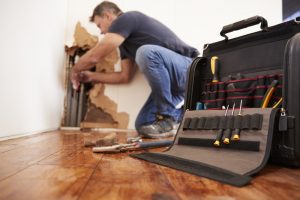
 First, we want to stress that all “do-it-yourself” attempts to fix or install residential plumbing are bad. It’s simply unwise to try this type of work unless you have the proper tools and training. But there are times when DIY jobs go past bad and become serious problems. Ask any professional plumber, and you’ll often hear the same story: the majority of repairs they make are due to amateur plumbing errors.
If you’ve never done any DIY work on your plumbing, you could still have troubles. A previous owner may have done some unlicensed repair or installation that you’ll end up having to deal with. No matter how cautious you are about only hiring professional plumbers in Burlington, VT, you still may need to call us to remedy some amateur mistake.
We’ve put together a list of the DIY problems we often must fix for our customers.
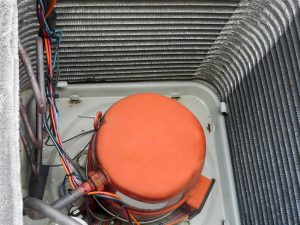 Now here’s an unpleasant problem you may run into during the last days of summer: an air conditioning system that doesn’t work because the compressor has died. The compressor is the literal heart of a cooling system, since it’s the component that causes refrigerant to circulate through the system, turning a cool low-pressure liquid into a hot high-pressure gas. When a compressor is fried because of a burnt-out motor, an air conditioner turns into nothing more than a large fan.
 Ductwork is what originally allowed air conditioning and heating systems to spread conditioned air throughout a house, rather than concentrating it in one place. The earliest ducted systems were nothing more than metal pipes extending from basement furnaces (or even just fireplaces) that allowed heat to rise to different rooms in a building. Today, forced-air central AC and heating systems use powerful air handlers and efficient ducts to see that comfort is sent throughout a house.
 You want your home to be an attractive place—for you, your family, and your guests. And there are few things less attractive in an otherwise well-ordered home than to see insects buzzing around a drain.
 It’s a nice feeling knowing you won’t need to turn your furnace back on for several months—it means the warm weather and summer have arrived. You’re coming closer to the day when you’ll turn off your home’s furnace and leave it off.
 If the heating system in your home is still working the way it should during the last few cold days of spring, you can probably shut it down for the summer without much worry. As long as you remember to schedule maintenance for it in fall before the first cold settles in for the end of the year, you shouldn’t need further
 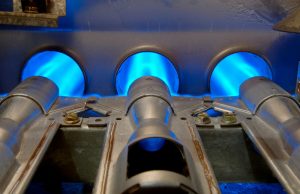 Furnaces are found in more homes than any other type of central heating system. Ironically, they’re also not well understood by the average homeowner, and that’s probably because they are so common; they’re easy to take for granted.
 If you’re asking this question, this is probably the first winter you’ve spent with a heat pump providing comfort for your home. You made a change in spring or winter to your HVAC system and replaced it with a heat pump. This is a great choice—heat pumps are able to deliver excellent cooling in hot weather and energy efficient heating in winter. Thanks to advances in heat pump technology, heat pumps operate in cold temperatures better than ever before.
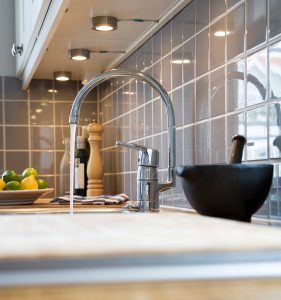 You never want bad odors wafting through your house, but especially not during times when you have guests staying over. And one common source of unpleasant odors in your house is the garbage disposal. Although you should never be placing actual garbage down the garbage disposal (and every plumber wishes these devices had different, less misleading names), you can still end up with a disposal giving off a “garbage” smell.
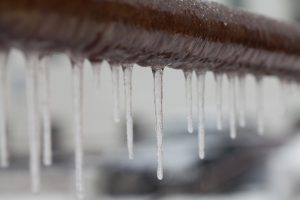 You might love the winter season, but your plumbing isn’t as happy about it. One of the biggest threats to your plumbing arrives along with the cold weather and snow: freezing pipes. When pipes freeze solid, it not only blocks water flow, it threatens the pipes with bursting.


